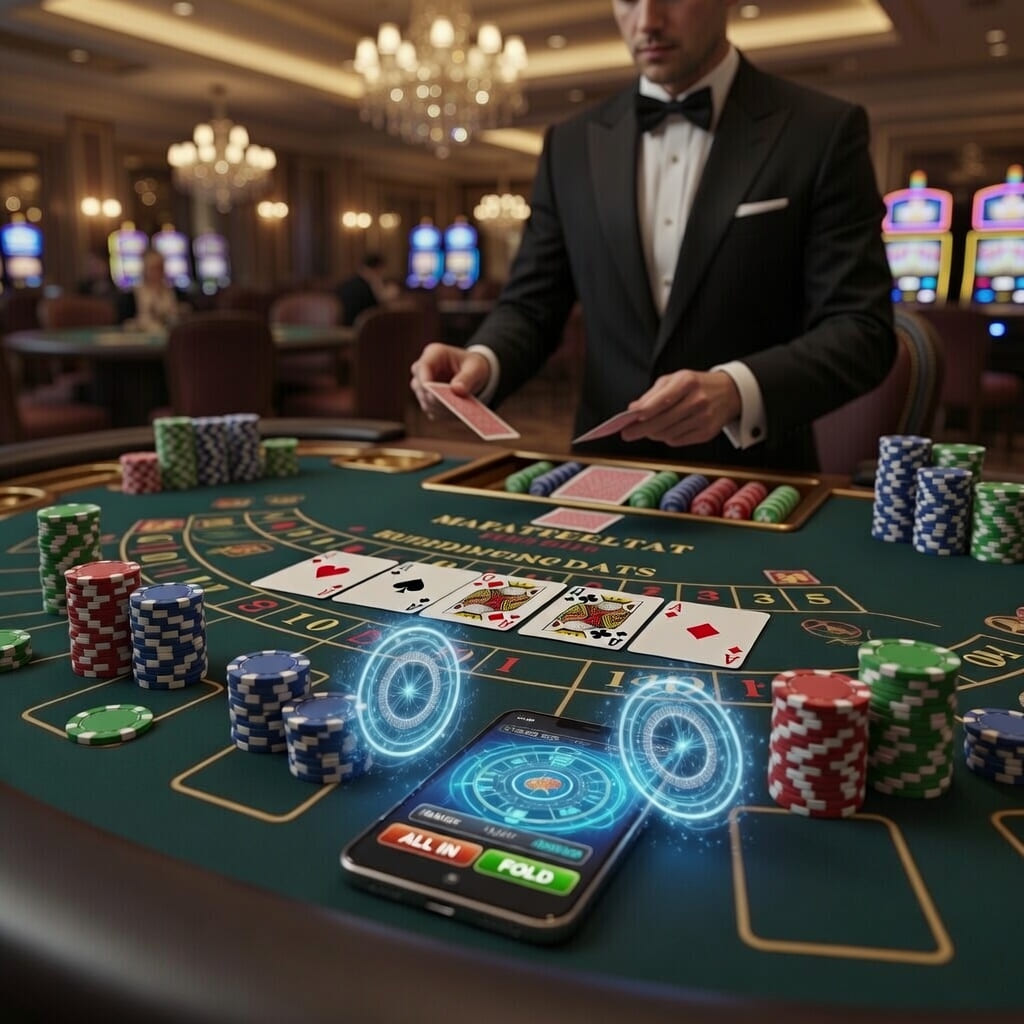
As a veteran developer and strategic consultant in the Australian digital gaming sector, I have watched the “pokie” culture transform from mechanical gears to complex silicon. The year is 2026, and we are currently witnessing the most significant behavioral shift in decades. Aussie players are no longer satisfied with static, predictable machines that offer the same repetitive loops. When players look for the best paying online casino today, they are seeking platforms that utilize advanced neural networks to tailor the experience specifically to their individual playstyle. We have moved past the era of generic random number generators into an age of “smart” volatility, where the game engine observes, learns, and adapts in real time. This isn’t just about flashy graphics; it is a fundamental reconstruction of the mathematical relationship between the player and the machine. Let me explain the intricate technical reasons why traditional pokies are becoming museum pieces and why artificial intelligence is now the undisputed king of the Australian gaming floor.
The End of Static Mathematics
For over twenty years, the industry relied on a fixed Return to Player (RTP) model. A machine was programmed with a specific set of virtual reels, and the math never changed. In my professional view, this model was always limited because it ignored the psychological state of the player.